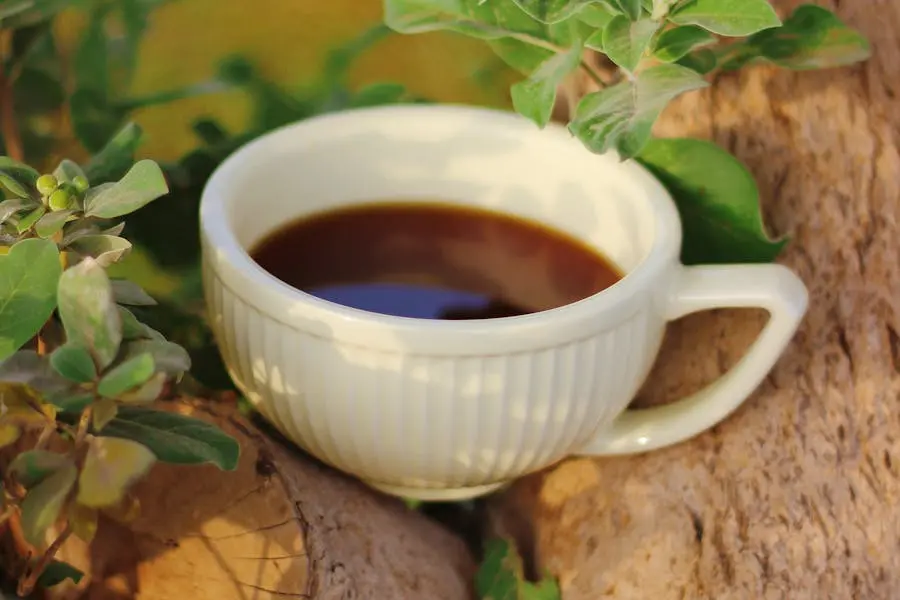
Tulsi is also known as holy basil and is a very popular herb in the Indian subcontinent. However, even though they come from the same Lamiaceae family, tulsi and basil are two different plants. Thanks to its enormous medicinal properties, many call tulsi the “queen of herbs,” too. It primarily originated from India and is widely used in Ayurvedic medicine for its health benefits of Tulsi, particularly for boosting immunity.
Table of Contents
Top Health Benefits of Tulsi
1. Rich Source of Antioxidants
Tulsi is a powerhouse of antioxidants, which help combat oxidative stress and free radical damage in the body. The presence of compounds like eugenol, ursolic acid, and rosmarinic acid makes tulsi highly effective in reducing inflammation. These antioxidants strengthen the body’s natural defenses, paving the way for a stronger immune system.

2. Improves Respiratory Health
Tulsi is often used as a natural remedy for respiratory issues, including colds, coughs, and bronchitis. The herb’s anti-inflammatory and antimicrobial properties help alleviate congestion and soothe irritated airways. Consuming tulsi tea or chewing fresh tulsi leaves can significantly improve respiratory function and support overall lung health.
3. Helps in Stress Management
Adaptogenic in nature, tulsi helps the body cope with stress by regulating cortisol levels. Drinking tulsi tea regularly can promote mental clarity and reduce anxiety, improving overall emotional well-being. This ability to manage stress indirectly contributes to better immunity since chronic stress is a known suppressor of immune functions.
4. Enhances Digestive Health
Tulsi is excellent for the digestive system. Its natural detoxifying properties help cleanse the stomach and liver, ensuring better digestion and nutrient absorption. A healthy digestive system is crucial for maintaining a robust immune system, as a significant portion of immune cells resides in the gut.
5. Antiviral and Antibacterial Properties
Tulsi has potent antiviral and antibacterial effects, making it effective against a range of pathogens. Consuming tulsi regularly can help the body fight off common infections, including the flu and seasonal colds. These properties make tulsi a natural shield for the immune system.
6. Regulates Blood Sugar Levels
Studies suggest that tulsi can help regulate blood sugar levels by improving insulin sensitivity. For people with diabetes or prediabetes, consuming tulsi may offer additional protection against complications that could weaken the immune system.
7. Supports Skin and Oral Health
Tulsi’s antimicrobial properties are beneficial for skin health. It helps combat acne, infections, and premature aging caused by environmental stressors. Additionally, Tulsi can improve oral health by reducing bad breath and preventing gum disease. Healthy skin and gums are indicators of a well-functioning immune system.
How to Incorporate Tulsi into Your Routine
- Tulsi Tea: Boil fresh tulsi leaves with water to make a soothing tea. Add honey or lemon for added flavor and health benefits.
- Chewing Fresh Leaves: Chewing 4-5 fresh tulsi leaves daily can directly deliver its benefits.
- Tulsi Extracts: Use tulsi oils or extracts in herbal remedies or skincare routines.
- Cooking: Add tulsi leaves to soups, curries, or salads for a flavorful and nutritious touch.
Conclusion
Tulsi is not just a herb; it’s a holistic solution for improving overall health. Its ability to enhance immunity, fight infections, and promote physical and mental well-being makes it a must-have in your daily routine. By incorporating tulsi in simple ways, you can strengthen your body’s defenses and embrace a healthier lifestyle.