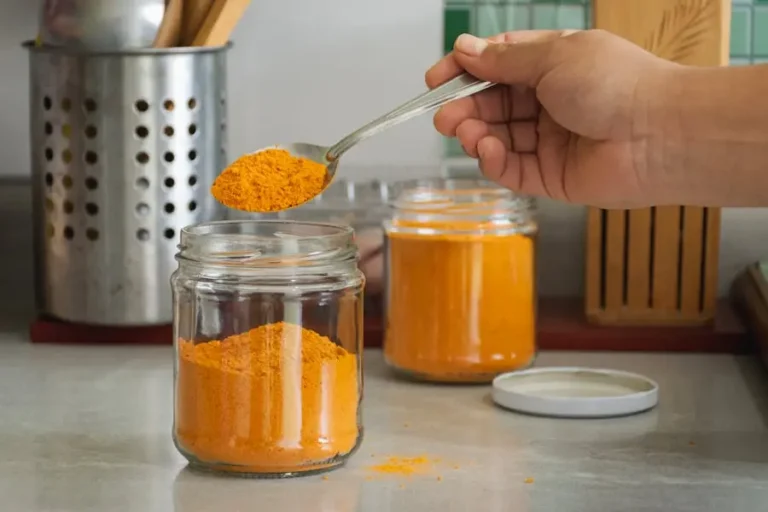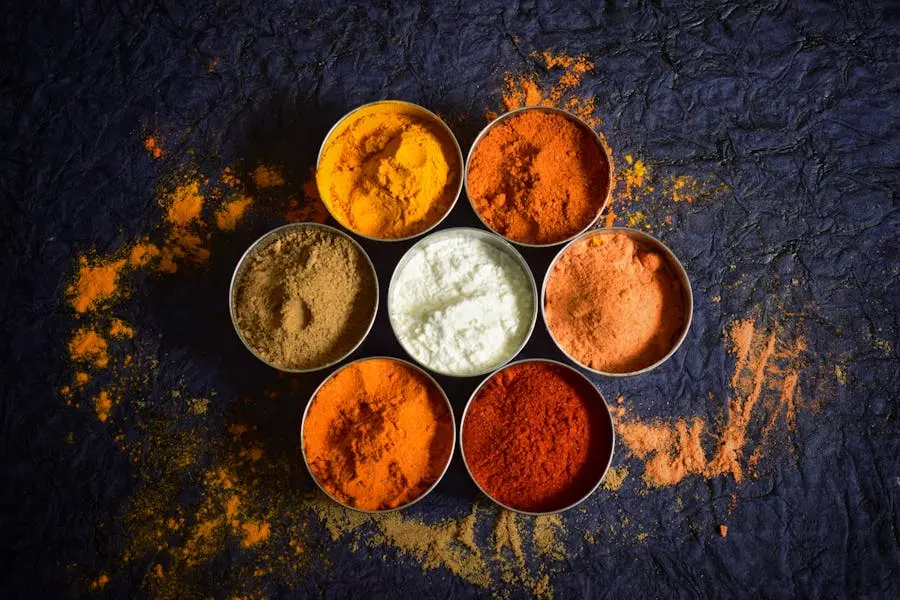
India is known as the land of spices, and rightfully so. Often, people find spices to be the most terrifying thing for them to understand Indian type cooking due to the huge variety and complexity of the same. On top of that, Indian cuisine often uses complex blends of multiple spices, including some different types of spices commonly used in India, and their benefits.
Table of Contents
Types of Spices in India: Names, Uses, and Health Benefits
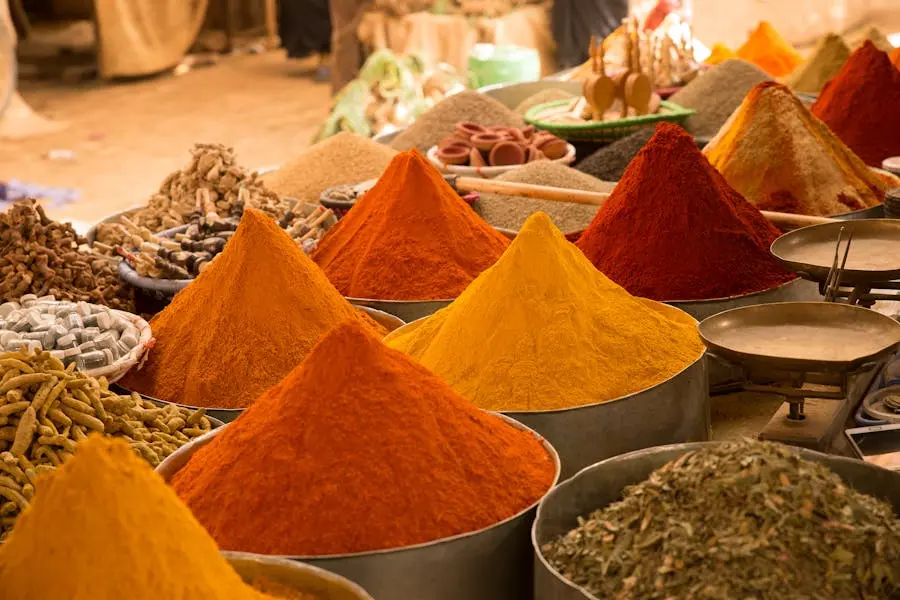
1. Turmeric (Haldi)
Turmeric is one of the most iconic spices in Indian cuisine, renowned for its vibrant yellow color and earthy flavor. It is a key ingredient in curries and is also used in beverages like turmeric milk. Beyond its culinary uses, turmeric is celebrated for its medicinal properties, including anti-inflammatory and antioxidant benefits. It is often used in traditional remedies for boosting immunity and promoting healthy skin.
2. Cumin (Jeera)
Cumin seeds are small, aromatic, and have a slightly bitter yet warm taste. They are commonly used in Indian dishes, either as whole seeds or ground into powder. Cumin enhances the flavor of curries, rice, and bread. It is also known for aiding digestion and is often included in herbal teas and remedies for bloating and indigestion.
3. Coriander (Dhania)
Coriander seeds and their powdered form are widely used in Indian cooking. They have a mild, citrusy flavor that balances out spicy dishes. Fresh coriander leaves (cilantro) are also used for garnishing. Coriander is rich in antioxidants and is believed to improve digestion and regulate blood sugar levels.
4. Cardamom (Elaichi)
Cardamom is known as the “queen of spices” for its sweet, aromatic flavor. It is used in both savory and sweet dishes, including biryanis, curries, and Indian desserts like kheer and gulab jamun. Cardamom is also a common ingredient in masala chai. Medicinally, it helps with digestion, freshens breath, and may help lower blood pressure.
5. Cloves (Laung)
Cloves are dried flower buds that add a warm and pungent flavor to dishes. They are commonly used in spice blends like garam masala and in biryanis, curries, and teas. Cloves are valued for their antimicrobial properties and are often used to relieve toothache and improve oral health.
6. Mustard Seeds (Rai)
Mustard seeds are a staple in Indian cooking, especially in tempering (tadka). They add a nutty and slightly pungent flavor to dishes. These seeds are rich in antioxidants and are known for their potential to improve heart health and boost metabolism.
7. Fenugreek (Methi)
Fenugreek seeds and leaves are integral to Indian cuisine. The seeds have a slightly bitter taste and are often used in spice blends, while the fresh leaves are used in curries and parathas. Fenugreek is known for its ability to regulate blood sugar levels, improve digestion, and promote healthy hair and skin.
8. Red Chili (Lal Mirch)
Red chilies, whether whole, powdered, or in flakes, are the primary source of heat in Indian cooking. They add spiciness and color to dishes. Capsaicin, the compound responsible for the heat, is also linked to boosting metabolism and reducing inflammation.
9. Asafoetida (Hing)
Asafoetida is a strong-smelling spice that transforms into a mellow and savory flavor when cooked. It is widely used in lentil dishes and vegetarian curries. Hing is known for its digestive benefits and is often included in remedies for gas and bloating.
10. Garam Masala
Garam masala is not a single spice but a blend of several spices, including cumin, coriander, cardamom, cloves, and more. It is a staple in Indian cooking, adding depth and warmth to dishes. Each region in India has its variation of garam masala, making it a versatile and essential component of Indian cuisine.
Conclusion
The spices of India are a testament to the country’s rich culinary heritage and cultural diversity. Each spice carries its unique flavor, aroma, and health benefits, making Indian cuisine a vibrant and wholesome experience. By understanding these spices and their uses, one can unravel the complexity of Indian cooking and create dishes that are as delicious as they are nutritious.
Also Read: Health Benefits of Cinnamon & How to Improve Immunity System