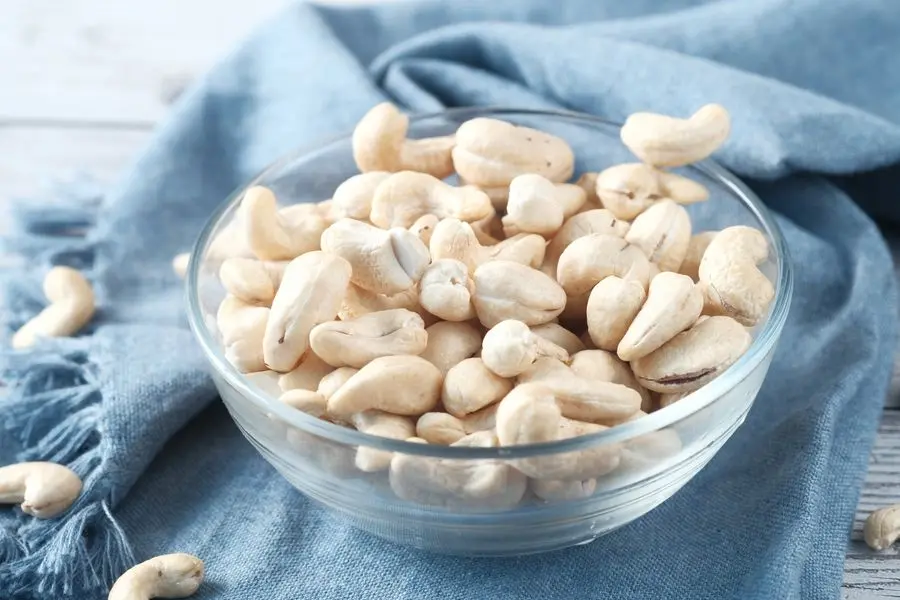
Contrary to popular belief, cashew nuts are not fruit; they are seeds. It’s a superfood with plenty of essential nutrients and is primarily consumed as a snack or as part of various dishes to enhance the texture and flavor of the same. Thanks to its wide range of nutritional profiles, the Health Benefits of Cashew Nuts are known to be beneficial in reducing risk factors for various lifestyle diseases, including obesity, cardiovascular ailments, diabetes, and cancer. Apart from that, several studies further revealed that it helps improve hair and skin health as well.
Table of Contents
Cashew nuts originate from Brazil primarily – it comes from Anacardium occidentale, a tree that is mainly found in Brazil and throughout the Asian region. Since ancient times, cashews have been used in traditional medicines for treating various illnesses due to their amazing nutritional and medicinal properties.
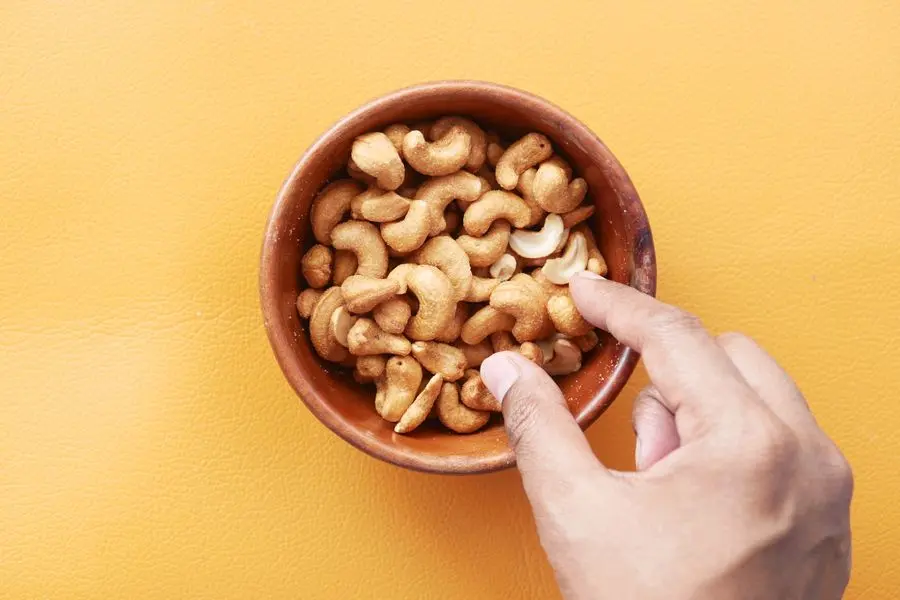
Exactly how many healthy cashew nuts are there? Let’s find out
A single cashew nut boasts almost 21% high-quality protein, 46% healthy fat that’s good for your heart, and 25% complex carbs. It contains a negligible amount of sugar, which makes it an ideal snack for those who are trying to lose weight or want to keep a check on their sugar intake. Now, if you consume a quarter cup of cashews, you’re going to get 200 calories made up of 5 grams of protein, 16 grams of fat, and 9 grams of carbs.
If you’re afraid of the fat content, let us assure you that cashew fats are mostly the good type of monounsaturated fat that you need for your cardiovascular health. Unlike other nuts that contain a relatively high amount of polyunsaturated type of fat, which is actually the “bad” kind you want to avoid, cashews have only 18% of the same. And that makes cashew a great snacking alternative for health-conscious people. Research showed that having cashews daily promotes heart health, reduces obesity, and helps to maintain blood pressure.
The health benefits of cashew nuts:
1. Cashew has an abundant amount of a special kind of flavanol, proanthocyanidins, which effectively fight against tumors and prevent cancer cells from growing and metastasizing.
2. Cashew nuts are full of MUFA and have an almost perfect ratio of omega-3 and 6, which helps to reduce triglycerides and eventually cuts down the risk of coronary disease to a great extent.
3. Cashew promotes bone health as it has magnesium and copper – the two micronutrients that are responsible for keeping your bones and joints in optimum condition.
4. Calcium does over-activate your nerve cells, and if you’re getting more than required calcium somehow, your nerves are not going to get enough rest. Magnesium, on the other hand, acts as a counter to this very act of calcium; hence, your nerves will remain relaxed. As we already mentioned, cashews are a good source of dietary magnesium, so having them regularly would fulfill your body’s magnesium requirement easily.
5. Cashew has more good fats and less bad fat, and this unique nature helps it to stand out from some other nuts like almonds, peanuts, etc., as those nuts lack this quality. Furthermore, cashews have more fiber as part of their complex carbohydrate content, which is another essential element that makes you feel “fuller” and curbs your craving for more foods frequently. You should add cashews to your diet plan if you’re serious about achieving your weight loss goal.
6. An interesting link between minimizing the risk of developing full-blown type 2 diabetes and consuming cashew nuts has been found in a recent study where researchers noticed that cashew can successfully lower the systolic pressure of blood and increase HDL cholesterol level, and therefore can subsequently mitigate diabetes risk in young adults with a sedentary lifestyle.