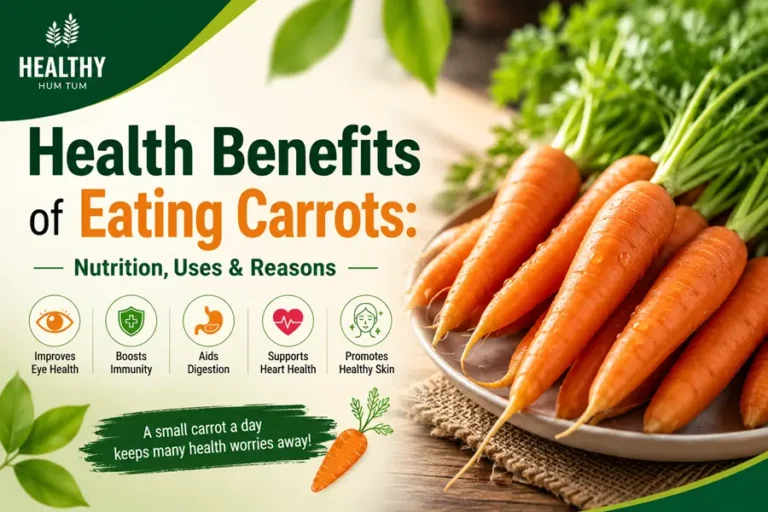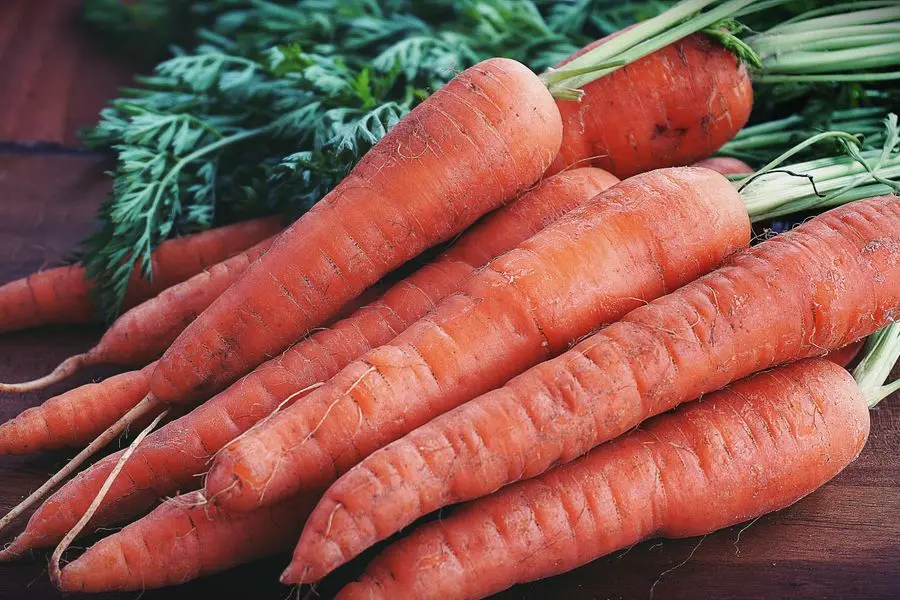
Red color or sometimes orange color vegetable is carrot. It is a root vegetable that is claimed to be the perfect health food with various health benefits. It is used as raw, juice and in making vegetables and pickles. People mostly use carrot in vegetable and juice. Here in this article, we will know Carrots nutritional value, and other interesting details about this versatile vegetable.
Table of Contents
1. What Kind of Vegetable is Carrot?
Carrots are root vegetables belonging to the Apiaceae family. They are typically orange or red, but other varieties can be purple, yellow, or even white. Known for their crunchy texture and sweet taste, carrots are widely consumed around the world. They are versatile and can be used in various forms:
- Raw: As a healthy snack or salad ingredient.
- Juice: Popular for detox drinks and improving skin health.
- Cooked: Incorporated into soups, stews, and stir-fries.
- Pickles: Often used as a tangy side dish.
Nutritional Facts of Carrots
Carrots are packed with essential nutrients that benefit the body in numerous ways. Here’s a breakdown of their nutritional content (per 100g of raw carrot):
- Calories: 41 kcal
- Carbohydrates: 9.6 g
- Fiber: 2.8 g
- Protein: 0.9 g
- Fat: 0.2 g
- Vitamin A: 835 µg (167% of the daily value)
- Vitamin C: 5.9 mg
- Potassium: 320 mg
Health Benefits of Carrots
Carrots are often considered a superfood due to their impressive health benefits. Let’s look at what they can do for your body:
a. Promotes Eye Health
Carrots are rich in beta-carotene, a compound that the body converts into vitamin A. This vitamin is essential for good vision and helps prevent night blindness and other eye-related issues.
b. Boosts Immunity
The high content of vitamin C in carrots strengthens the immune system, helping the body fight off infections and illnesses. Carrots also contain antioxidants that combat free radicals and reduce inflammation.
c. Supports Skin Health
Carrots contribute to glowing skin due to their vitamin A and antioxidant content. Regular consumption can help reduce acne, dryness, and signs of aging.
d. Improves Heart Health
The potassium in carrots helps regulate blood pressure, while dietary fiber lowers cholesterol levels, reducing the risk of heart disease. Antioxidants like beta-carotene also protect against arterial damage.
e. Aids Digestion
Carrots are an excellent source of dietary fiber, which promotes healthy digestion, prevents constipation, and supports a healthy gut microbiome.
f. May Reduce Cancer Risk
Carrots contain antioxidants like beta-carotene and lutein, which may lower the risk of certain cancers. These compounds help protect cells from oxidative damage and inhibit the growth of harmful cells.
How to Use Carrots in Your Diet
Carrots are incredibly versatile and can be enjoyed in many ways. Here are some ideas:
- Salads: Shredded or sliced raw carrots add crunch and nutrition to salads.
- Juices: Combine carrots with other fruits or vegetables for a refreshing, nutrient-rich juice.
- Soups: Carrots can be pureed into creamy soups or added as chunks in broths.
- Snacks: Pair raw carrot sticks with hummus or a yogurt-based dip for a healthy snack.
- Desserts: Carrot cake and carrot halwa are popular sweet treats made using this vegetable.
Interesting Facts About Carrots
- The carrot was initially cultivated for its leaves and seeds, not the root.
- The modern orange carrot was developed in the Netherlands in the 17th century.
- Carrots are 88% water, making them an excellent hydrating snack.
- They can be stored for weeks in a cool, dark place without losing their nutritional value.
Carrots are not just a delicious and colorful addition to your meals but also a nutritional powerhouse. With their high levels of beta-carotene, vitamins, and fiber, they offer numerous health benefits, from improving vision to boosting immunity and promoting skin health. Whether you eat them raw, cook them, or turn them into juice, carrots are an essential part of a healthy and balanced diet. Make sure to include this versatile vegetable in your meals for both taste and nutrition!
Also Read: Health Benefits of Eating Broccoli